
By Paul Dhadda
 Whether you want to preserve your memories after you’ve settled back at home or while you’re still out on the road, there are some great ways to hang on to those memories in creative and easy ways.
Travel boxes. Purchase a plain wooden box or find a container you already have, throw some paint on it, mark it for a location and place items from that place in the box — tickets, souvenirs, coins, and other nic nacs will be perfectly suited for this option! Not to mention great talking pieces and a visual representation of your memories.
Scrapbook. This is one of the most fun and creative options for keeping your travel memories alive! Not only can you re-live your memories while you put it together, it’s a great piece to have to show friends and family and it will last as an amazing travel artifact for many years to come!
 Journal. Not only is this a wonderful way to log your memories as they happen on the road, it’s also a great time waster for when you’re in airports, bus stations or have a lazy day around the hotel or beach. What makes this such a unique option is that it allows you to capture the moment and how you are feeling virtually as things happen. Having the ability to write as well as put tickets and other papers in a journal is wonderful! Bring a small roll of tape or a glue stick and paste those memories right there as you go!
Photo wall. In such a photo-centered world, photos and photo sharing are huge. As you traveled, you probably took some amazing photos and printing those out and putting them somewhere is the next step. These days, there are so many easy, affordable options for printing out pictures, including those from social media platforms such as Instagram. Print out small photos and frame them up to look at and reminisce over constantly.
 World map. A classic option for a simple display of all of your travels. Include pins with photos attached and you have an easy way to display some of your best pictures and memories!
Collection. This is a very popular form of memory preservation for many travelers. Whether it’s patches, coffee mugs, stickers, or any other small nic nac that you like to pick up around the world, there are creative options to display them. Take this collection of sand from around the globe, for example. Creative, easy and and simple to display — this is just a glimpse of the many ways that you can turn those memories into something tangible at home!
Using your phone abroad.
Whichever provider you use, they will have different options for using your service away from home. Be sure to check in with your provider and see if there is an international package that you can pay a nominal fee for the time period that you need it for.
WiFi.
Regardless of if you opt for an international service plan with your provider or not, WiFi can get you a long way. For the most part, doing a bit of searching for WiFi will pay off, but it will certainly not always convenient. In the moments that you find you need a WiFi connection for something that you need at that moment, this is a real pain. The convenience of having an international data package, for many people, is worth the extra fee. Keep in mind that different locations have fundamentally different accessibility to WiFi. If the region that you’re traveling to is sparse on it’s WiFi, perhaps you want to consider speaking with your service provider.
International Roaming Fees.
Something you absolutely do not want to find out for yourself is how expensive international roaming fees are. If you aren’t familiar with what this constitutes, check out this horror story. From the e-magazine Conde Nast, “a New Zealand man was fired from his job for racking up a bill of over $23,000 on his company-issued cell phone during a three-week holiday in Sri Lanka. International roaming charges made up $23,350 of the bill, with just $6 spent on international calls and texts. Around 1.5GB of data was used.” You do not want to mess with these. Don’t do it. Pay attention to the kind of service you will need to cover you abroad, turn off the roaming on your phone. Don’t be caught without warning in this situation — it will ruin your vacation.
Backing up your photos.
Speaking of horror stories, here’s another doozy for you. Three months, 13 countries and over 2,000 photos — GONE, without a trace. This happened to my travel companion three days before we were to fly home. Whether your phone becomes damaged or stolen, there are ways to ensure your photos stay safe. There are so many options available when it comes to backing up pictures that there is really no excuse for this to happen to you. The best part about these programs is that once you have set them up, they virtually do all of the work — automatically updating the storage of your photos as you snap them. Options such as iCloud and Amazon have storage space for free and it will save you a massive headache should something happen to your device.
 Charging your devices.
Wherever you’re headed, be sure to check if you need an adapter for your chargers. There are several options that combine 4 different adapters into one item.
Additionally, consider a portable charging device if you know that you’ll be out for the day. These power banks can keep you going all day long! Do your research — some are better than others! A portable charge will help you stay ready for photos, using your phone for directions and keeping in touch.
Preserving battery.
Make sure that you don’t have a lot of applications open. Consider putting your phone into airplane mode when you’re not using it. Combining airplane mode with accessibility to a mobile charger will help to keep you going throughout the day.
Cases and waterproofing.
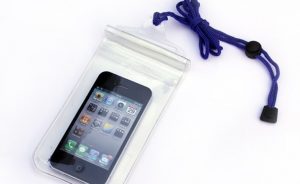
Protect your assets, y’all. If you’ll be on a beach vacation or somewhere tropical where rain occurs frequently and unpredictably, this may be something you’ll want to think about. If you don’t want to lug the big camera around and opt for your phone or tablet for the day — a waterproof case is great.
Additionally, if you don’t use a sturdy case at home, you may want to beef it up for your trip. Consider a more secure case. It’s a downer to break your phone on vacation and not be able to fix it until you return home.
Apps.
There are some really life saving phone applications out there now and seemingly an app for everything. From offline maps to foreign language translators — there are many options to make your trip go a bit more smoothly.
Should I Use Travel Insurance?
There are few things as unsettling and nerve racking as hiccups in travel plans, cancellations, delays, and health issues in foreign countries.
Forget about the initial inconvenience of these situations and consider the full and total impact that they can have on your vacation. If something does happen, it’s important to have travel insurance. It’s one of those things that you hope you never have to have come in handy, but thank your lucky stars for if you need it.
Don’t let this be you.
A prime example of one of these situations happened to a young man I met while traveling to Slovenia. He told me of his nightmare experience. While in Croatia, he had one of his arms swell up to two to three times it’s normal size — without knowing what had caused this. He was taken to a hospital in Croatia and treated by a doctor and staff that spoke no English. Luckily, he knew exactly what had caused the massive swelling — a small bug bite. Thankfully, he was covered by his travel insurance. Had he not been covered he would have been hesitant to seek medical attention. Having to consider paying these expenses out of pocket is not something you want to have to think about. Fortunately, he was able to be treated and even continue on his planned travels.
What Does Travel Insurance Cover?
Travel insurance can cover a plethora of events. Lost luggage, cancelled flights, health concerns abroad, hospitalization and a range of other unexpected circumstances can be covered. Like any insurance policy, different companies offer different coverage — luckily, this is where a travel agent comes in handy. Agents have the experience of working with many companies and policies and therefore know what will be a good fit for the type of trip you are taking.
Other Insurance at home.
While you may be fully covered for nearly everything in your home country, this does not cover you abroad. This does not cover you abroad. Some credit card companies offer some sort of travel insurance, but most likely it is very limited. To ensure you will be covered while traveling, we can ensure you have travel insurance.
Again, this is something that you hope you will never have to use.
Even a healthy, seasoned traveler can fall victim to foreign parasites, stolen luggage, and unexpected partial trip cancellations. Being prepared for the unexpected will keep your vacation worry free and be a lot less stressful should something arise.
Not only can we help you with travel insurance, our travel agents are on your side should something occur. We’re here to keep you on the move!
Northern Lights
This natural phenomenon of bright dancing light can be seen in a few places in the Northern Hemisphere, but Norway provides perhaps the best experience, generally between October and March. There are several ways to view these spectacular lights. A visit to the island of Svalbard, Norway will get you right up to the Arctic Circle, and consequently right underneath that big beautiful empty sky and place you in prime position to see these lights in all their glory and vibrancy.
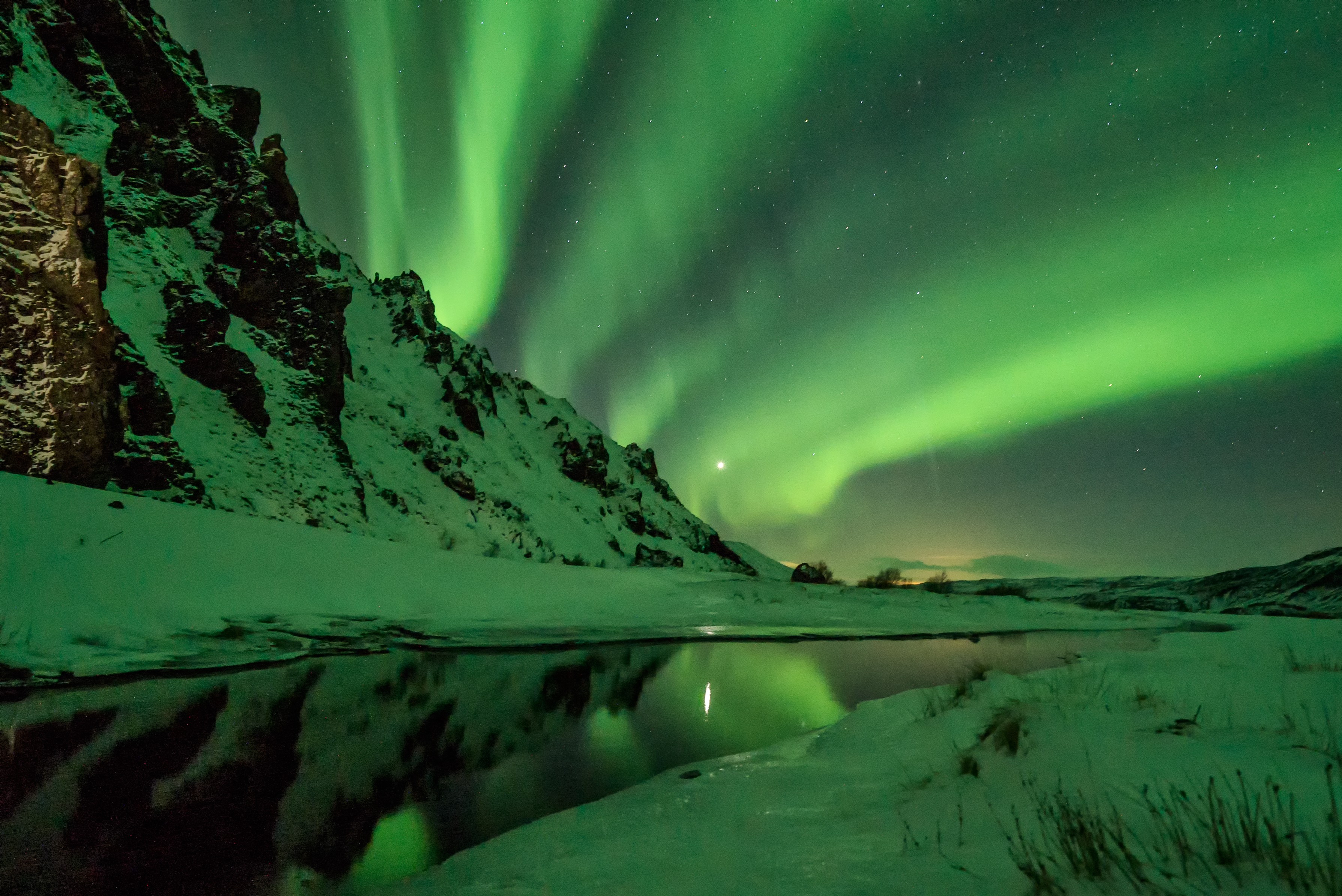
Another great spot in Northern Norway are the Lofoten Islands and even without the Aurora Borealis, this archipelago should be on everyone’s travel list. With incredible sweeping views of the Norwegian Sea and picturesque small fishing villages, a trip to the Lofoten Islands is sure to be something you’ll remember forever.
Extraordinary Nature
Perhaps the first thing you’ll notice when you arrive in any of the Scandinavian countries is that you’ll feel like you’re seeing the world as it should be – before massive cities, commercialization and billboards. In fact, you’ll be hard pressed to find a billboard anywhere. Even in the larger cities like Stockholm or Oslo, nature is not far away. A drive through the countryside of Sweden is full of lush, velvety green grass and rich, bright blue skies. The grass is dotted with yellow flower fields and small bodies of water reflecting the fluffy clouds. Before you know it, you’ll be daydreaming of living in one of the small, rust colored farm houses and whiling away the days in all that is perfect about Scandinavia.

Push yourself further out of town and the rugged and wild landscapes will seem nearly impossible. From hiking through the beautiful fjords of Norway to the absolutely untamed National parks of Sweden — this is the place to really see just how beautiful the world is.
Coffee lovers — listen up
We may all think that the best coffee comes from the equatorial region — Colombia, Costa Rica, Tanzania and Indonesia. Scandinavia in fact, is in the top three consumers of coffee in the world. Coffee is incredibly central to the Scandinavian way of life and is enjoyed throughout the day. And it’s more than just a quick coffee break, in fact the Swedish have given it it’s own name — fika. During a fika break, a cup of coffee is joined with a sweet treat and is an opportunity to catch up with friends and family. A far stretch from our hurried cup of coffee that we take on our car ride to work.
Cleanliness
You’ll be hard pressed to travel the world over and find a place so clean. In fact, Sweden is working towards zero waste. That’s right, zero. More than 99% of waste is recycled into one form or another. You’ll find that garbage bins are very accessible and there are a wide variety of bins each time and it’s so simple to separate garbage and recyclables. And more than that — Swedes do separate everything. In fact, chances are if you see a stray piece of garbage on the street, someone will stop to pick it up and place it in the correct bin.
Ceviche in Peru
The culinary scene in Peru has jumped off the page in the past few years, and a large part of that is seen in Ceviche. A typical ceviche dish is comprised of several main ingredients; raw white fish (sea bass or flounder), lime, and chilis. A simple dish accompanied by sweet potato and large kerneled corn, but it certainly packs a punch. In fact, there are over 20,000 cevicherias in the capital city Lima alone.
Yerba Mate Tea in Argentina
This is very much a way of life in Argentina and you won’t be there long before you’re offered a cup of mate. Argentines drink mate throughout the day and generally from a gourd or metal cup with a metal straw. While this tea certainly has a distinct flavor that takes some getting used to, it is definitely a must-try if you’re in Argentina.
Feijoada in Brazil
Think hearty chili, but better. Typically made in a thick clay pot with salted pork, beef and black beans, this dish is served alone or with a variety of sides. While this dish is also served in many countries in Africa, it is considered the national dish of Brazil. Because this dish is cooked in a clay pot, it has a rich smoky flavor that is consistent among Brazilian cuisine.
Empanadas in Argentina
Many of us are familiar with empanadas, but South America — specifically Argentina — does it better than any other place. These flaky crusted pies are filled with a mix of meat and vegetables and because they are so tasty, you may just want to live off of them. In Argentina, there are two distinct ways to prepare an empanada — Salta or Tucuman Style. The Salta style are simply baked and the Tucuman style are fried in a tray of fat in a clay oven. Naturally, there is much controversy among locals as to what is the preferred way to enjoy empanadas.
Salchipapas in Ecuador
Where to start with salchipapas? Such a simple and odd dish, but it’ll hit just the right spot. Perfectly fried french fries topped with sliced hot dogs — and not the gross rubbery hot dogs you’re thinking of. These are served with either ketchup or a local sauce and the perfect dish with a pint of beer.
Pisco Sour in Peru
This is considered to be the national drink of Peru. For visitors it may remind you of a classic margarita, but this drink is made with Pisco — a colorless or yellowish brandy that Peru is known for. A Pisco Sour is mixed up with egg whites, lime, bitter and simple syrup in either a blender or a shaker. The blending or shaking creates a nice frothy top on the Pisco Sour and is perfect on a hot Peruvian day.
Dulce de Leche in every country
Although this deliciously sweet treat originated in Argentina, many of the other South American countries have taken a note from the Argentinians and made this dessert a staple as well. Dulce de Leche is made by heating milk on a very low temperature and slowing stirring in sugar, vanilla, and baking soda until you’re left with a thick, rich caramel colored sweetness. Often times this is then placed between shortbread and then enjoyed. You’ll be sure to see these little sweet treats in restaurants and street food vendors alike — definitely do not pass them up!
Chorillana in Chile
Potatoes play a key role in South American cuisine and this dish is no exception. A bed of crispy fries and topped with spicy sausage, a beef steak, finely cut onions and topped with a couple fried eggs. This is typically a dish meant to be served, but we don’t blame you if you want it all to yourself.